


Typical Spanish Desserts
September 1, 2025
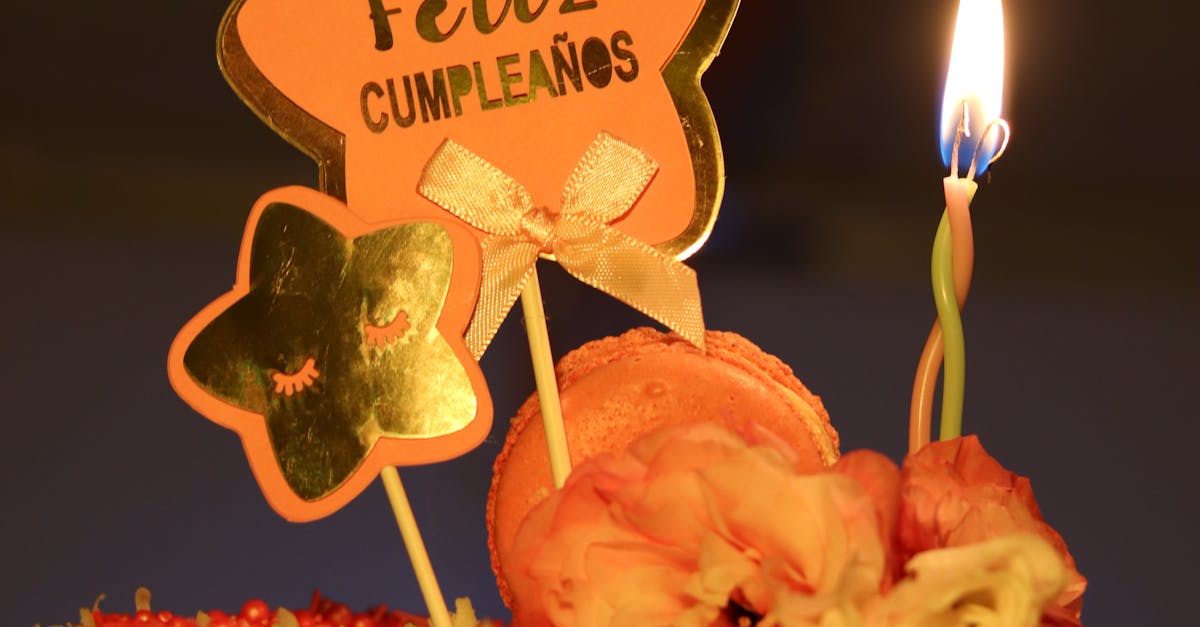
When it comes to Spanish cuisine, one cannot help but think about the delightful array of desserts that the country has to offer. Spaniards have a rich tradition of creating sweet treats that are not only delicious but also reflect the diverse cultural influences that have shaped the country's culinary landscape. From flan to churros, Spanish desserts are a delightful way to cap off a meal or satisfy a sweet craving.
Broadly speaking, Spanish desserts can be categorized into various types, each offering a unique flavor and texture profile. One of the most iconic Spanish desserts is flan, a creamy and caramel-coated custard that melts in your mouth. This dessert is loved by locals and tourists alike, and its smooth texture and decadent taste make it a must-try for anyone with a sweet tooth.
Churros are another beloved Spanish dessert that is typically enjoyed for breakfast or as a snack. These fried dough pastries are often dusted with sugar and served with a rich chocolate dipping sauce. The crispy exterior and soft, doughy interior of churros make them a popular choice for those looking for a sweet and satisfying treat.
Spanish cuisine is also known for its use of fruits in desserts, with many recipes incorporating ingredients like oranges, almonds, and lemons to create refreshing and light delicacies. Tarta de Santiago, a traditional almond cake from the region of Galicia, is a prime example of how Spanish desserts can showcase the natural flavors of simple ingredients.
Overall, Spanish desserts are a delightful reflection of the country's culinary heritage and are sure to leave a lasting impression on anyone fortunate enough to taste them. Whether you prefer creamy custards, fried pastries, or fruit-based sweets, there is a Spanish dessert out there to satisfy every craving.
Following this, it is essential to highlight the significant role that history and tradition play in shaping Spanish desserts. Many of these sweets have been passed down through generations, with each recipe carrying a story of family gatherings, celebrations, and cultural heritage. The act of preparing and enjoying these desserts often involves a sense of community and nostalgia, adding an extra layer of richness to the dining experience.
In many Spanish households, dessert is seen not only as a delectable treat but also as a way to connect with one's roots and preserve culinary traditions. The care and attention to detail that go into making desserts like turron, a nougat confection consumed during the Christmas season, reflect the time-honored techniques that have been perfected over centuries.
Moreover, Spanish desserts play a vital role in shaping the country's identity on a global scale. These sweet delicacies have become synonymous with Spanish culture and are often a highlight for visitors exploring the country. The popularity of treats like polvorones, crumbly almond cookies enjoyed during the holiday season, has contributed to Spain's reputation as a culinary destination known for its rich and diverse sweets.
In reality, the world of Spanish desserts is a treasure trove waiting to be discovered by those with a sweet tooth and an appreciation for culinary artistry. Exploring the depth and variety of Spanish sweets not only offers a delightful gastronomic experience but also provides a glimpse into the heart and soul of a country with a profound love for food and tradition.

Delicious treats from Spain
To demonstrate the versatility of Spanish desserts, one can explore the array of regional specialties that grace the country's culinary scene. Each Spanish region boasts its own unique dessert traditions that are deeply rooted in local ingredients and customs. Crema catalana, a creamy custard topped with a caramelized sugar crust, is a signature dessert from Catalonia that is often enjoyed during festive occasions.
Moving towards the northern region of Asturias, one would encounter frixuelos, thin crepe-like pancakes often filled with sweet ingredients like cream, chocolate, or jam. These delicate treats are a favorite among locals and visitors alike, showcasing the diversity and creativity found in Spanish dessert-making.
In the southern region of Andalusia, one cannot miss the classic pestinos, fried pastries bathed in honey and sprinkled with sesame seeds. These sweet bites are particularly popular during the Christmas season and are a testament to the cultural richness and historical influences that shape Andalusian cuisine.
Venturing to the Canary Islands, one would find bienmesabe, a dessert made from ground almonds, sugar, eggs, and lemon zest. This creamy and aromatic treat reflects the tropical flavors of the islands and offers a glimpse into the unique gastronomic heritage of the Canarian people.
Each regional dessert in Spain tells a story of tradition, innovation, and a deep connection to the land and its resources. Exploring these diverse sweet creations not only satisfies one's palate but also provides a window into the rich tapestry of Spanish culinary culture. Whether enjoyed in a bustling city square or a charming village cafe, Spanish desserts are a celebration of flavor, history, and above all, a love for good food.
On the whole, Spanish desserts are a testament to the country's rich culinary heritage, blending traditional recipes with a diverse range of flavors and textures. From the creamy flan to the crispy churros, each treat tells a story of cultural influences and regional specialties that have been perfected over generations. The significance of these desserts goes beyond just being sweet delicacies; they represent a connection to the past, a celebration of community, and a gateway to exploring Spain's vibrant gastronomic landscape.
In essence, indulging in Spanish desserts is not merely about satisfying a sweet tooth but embarking on a sensory journey through centuries of tradition and innovation. The intricate balance of flavors, the dedication to quality ingredients, and the heartfelt preparation methods all come together in each bite, offering a glimpse into the soul of Spanish cuisine. The next time you have the opportunity to sample a Spanish dessert, remember that you are not just tasting a treat but experiencing a piece of history and culture in every mouthful.
As you savor the delights of Spanish desserts, allow yourself to immerse in the stories woven into each recipe, the flavors that dance on your palate, and the warmth of shared moments around the table. In a world where food is more than sustenance but a form of art and expression, Spanish desserts stand out as timeless creations that bring people together and celebrate life's simple pleasures. So, whether you find yourself in a bustling city square or a quaint village cafe, take a moment to enjoy a Spanish dessert and let its sugary whispers carry you to a place of joy, connection, and culinary bliss.

Title
I'm a paragraph. Click here to add your own text and edit me. It's easy.
Title
I'm a paragraph. Click here to add your own text and edit me. It's easy.
Title
I'm a paragraph. Click here to add your own text and edit me. It's easy.